Gamification is greater than old-fashioned career assessments.
That’s the theory behind Virginia Western Community College’s latest outreach through the Hall Associates Career Center, which is using virtual reality headsets to give students a preview of jobs that might interest them.
Dr. David Porter, Career Center Manager, began work in his post this academic year and was looking for a tool “that would draw students into a situation where they could safely do what we call work-based learning.”
“Robinhood is an investing app. The reason why Robinhood took off is because it took a very dry topic and it gamified it,” Porter said. “So now you have 20-year-olds that are doing a lot more investing because it’s fun to do.”
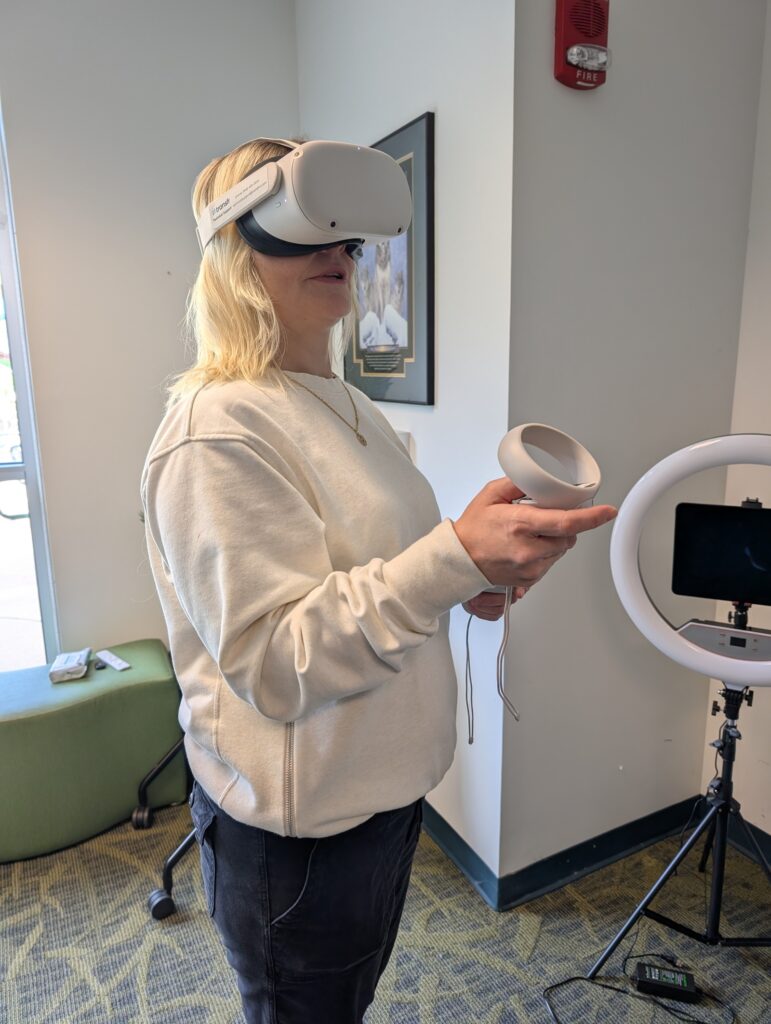
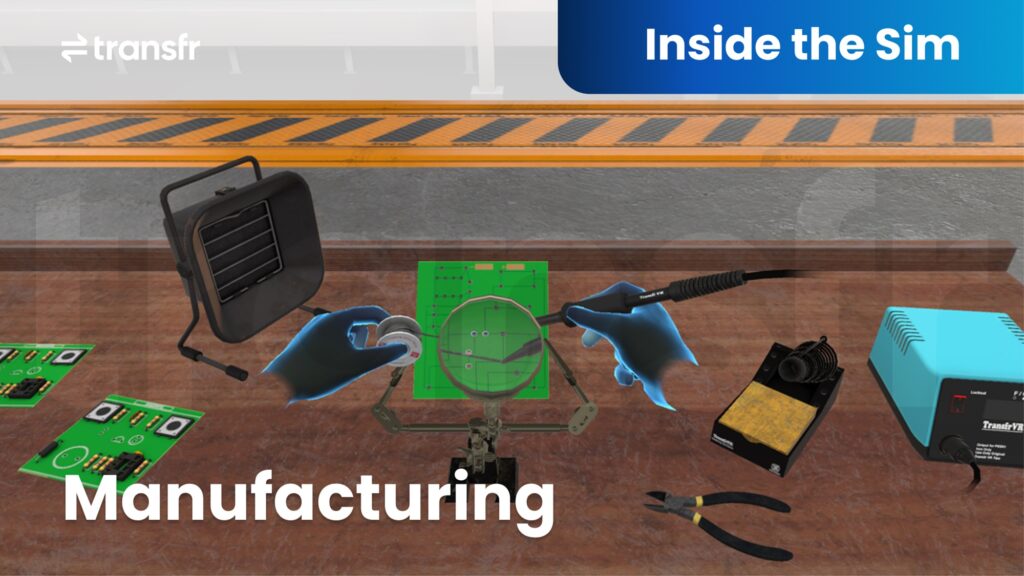
At the same time, he pondered the rise of virtual reality systems. “Well, if I bring you into the center, and I have you sit down at a computer and do an assessment, well, that’s something,” he said. “People like to discover themselves, but still, it’s just an assessment. Inside the headset, you can take a career assessment that is a gamified system where it asks you questions, and then based on the results, it will suggest to you any one of more than 50 career paths. You can then do 8- or 9-minute sessions of virtual reality immersion into that career.”
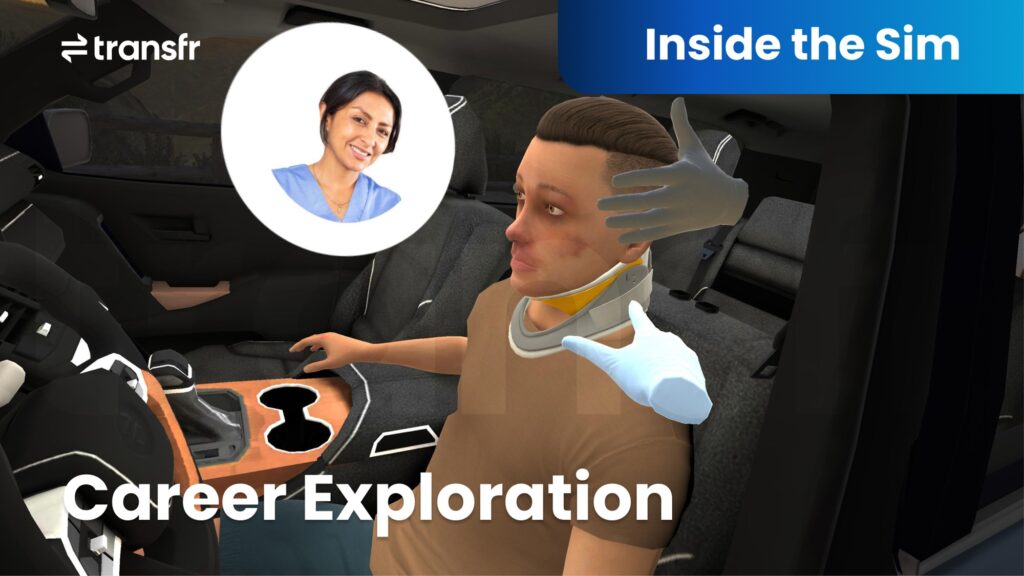
The module for paramedics, for example, is at the scene of a simulated motor vehicle accident. “You’re assessing the patient, you’re pulling the patient out of the vehicle, putting them on a stretcher,” Porter said. “You get to see firsthand in a controlled environment, what could this be like? Could this be something that I would be interested in?”
The College invested in three VR headsets that use modules from Transfr Trek, a program designed for immersive career exploration and training. Students can walk into the career center, sign in, and use a headset to explore at no cost to them.
The interactive VR simulations provide a “day-in-the-life” view of jobs that align with potential career pathways. Samples of module options include broadband utility construction, pipefitter, HVAC, surgical technologist, certified nursing assistant, robotics specialist welder, automotive service technician, financial analyst, soil and plant scientist, web developer and electrical engineer. Beyond the modules, users can discover detailed career profiles and up-to-date information on more than 150 careers.
“I completed the solar panel installation module in the VR program, and it was a great hands-on learning experience,” said Virginia Western student Michelle Brown. “It helped me understand the steps of installation, wiring and safety in a realistic way without needing to be on-site. I think students will appreciate how the VR modules make complex concepts easier to grasp and allow them to learn by doing.”
If a student doesn’t have clear ideas or plans, the VR headset helps staff members discuss possible career pathways. If the student talks about healthcare, for instance, “Let’s throw on the headset and take that assessment to see what you may be leaning toward,” Porter said. “Let’s do some modules, and now let’s debrief. Let’s have the human conversation where we sit down with you and talk through what do we do now.”
Users can take a guided tour of an industry and specific jobs, and the online Transfr Trek platform even offers the ability to examine budgeting based on inputs for expenses and what that career is projected to make. “So it will help me in budgeting the lifestyle, monetarily, and be able to do career planning from a monetary standpoint,” Porter said.
In addition to uses within the Hall Associates Career Center, the headsets are being deployed in two other areas: outreach to middle and high school students, and workforce programs.
High school students at outreach events will be able to take a mobile career interest assessment and then complete a VR simulation within one of their top careers, said College Recruiter Paige Miller, who said that the modules will be projected so other students are able to view each simulation. “While students watch their peers, they will be taking notes on what they find interesting about the job and what challenges they may encounter in each job,” Miller said. The high-schoolers can then discuss what they noticed, what surprised them and how they feel about the career.
“At the middle school age, it is all about exploration,” Miller said. When middle school groups visit Virginia Western’s campus, they will rotate through a station with the headsets, see a projected simulation, discuss what they notice. “The headsets will help students gain an understanding of what these careers actually are and open up conversations to learn about the education requirements and pathways to getting a job in each field,” Miller said.
Transfr reports that 75% of middle school and high school students said the platform’s career exploration VR simulations were informative for their career decisions and expressed a desire to pursue further VR training.
For workforce programs, the TransfrTrek application employs the ability to assess skill level. A student has the ability to go through in-depth, curriculum-based interactions in the headset that are up to 20 minutes long. The program then grades the student on skills doing those curriculum-based activities in the headset. After that, there is an opportunity to remediate any weak areas by practicing the specific skill sets. Earning badges for workforce skills is another potential benefit.
The VR headsets provide engaging simulations and user-friendly analysis in short spans of time, Porter said. “That’s why I wanted to go with virtual reality, because it just ticks off so many checkmarks for what students these days need and what they’re interested in.”
The Hall Associates Career Center offers a full range of comprehensive in-person and online career services to students and alumni. Career specialists are available for in-person and virtual services Monday through Friday from 8 a.m. until 5 p.m. Students may schedule a Zoom, phone, or in-person appointment through the Navigate Student account. Alumni and community partners may reach the Career Center by emailing careercenter@virginiawestern.edu or calling 540-857-7298.